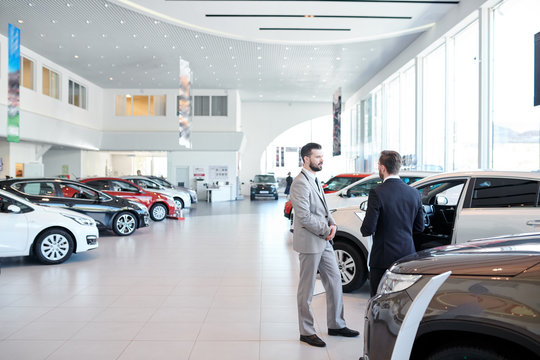
In today’s competitive automotive market, a successful sale is more than just convincing a customer to buy a vehicle—it’s about guiding them through an exceptional, trust-driven experience. Mastering the automotive sales process ensures every touchpoint—from the first handshake to the final delivery—builds confidence, satisfaction, and long-term loyalty.
Let’s break down how sales professionals can perfect every stage of the process to achieve consistent results and turn one-time buyers into lifelong customers.
1. The Power of the First Greeting
The first few seconds of interaction can determine how the rest of the conversation unfolds. A warm, confident, and professional greeting sets the tone for trust.
Best practices for a strong first impression:
- Smile genuinely: Your body language should communicate approachability.
- Personalize your introduction: “Welcome to [Dealership Name], I’m [Your Name]. What brings you in today?” feels much better than a robotic greeting.
- Observe before engaging: Notice what the customer is looking at or showing interest in—it gives you a great conversation starting point.
- Build rapport: Avoid jumping directly into sales talk. A brief, friendly chat helps lower the customer’s guard.
A great greeting transforms an ordinary visit into a personal experience that makes the buyer feel valued.
2. Understanding Customer Needs
The next step is uncovering what the customer truly wants. Asking the right questions and actively listening can reveal motivations that go beyond price or brand.
Key questions to ask:
- “What’s most important to you in your next vehicle?”
- “How will you be using the car—daily commute, family trips, or both?”
- “What’s your current vehicle, and what do you like or dislike about it?”
This approach shifts the conversation from selling a car to solving a problem. It also helps the salesperson recommend vehicles that fit the buyer’s lifestyle rather than just their budget.
3. Presenting the Vehicle with Confidence
Once you’ve identified the customer’s needs, it’s time to present the vehicle that best meets them. This is your opportunity to highlight features that matter most to the buyer.
Tips for effective presentation:
- Focus on benefits, not just features. Instead of saying, “This car has lane assist,” say, “Lane assist helps keep you safe and reduces fatigue during long drives.”
- Customize the presentation based on what the buyer values—fuel economy, space, technology, or performance.
- Use real-life examples or stories from other satisfied customers to create emotional appeal.
- Be transparent—if a feature doesn’t exist, don’t overpromise. Credibility sells more than hype.
Remember, buyers aren’t just purchasing a car—they’re buying confidence, comfort, and reliability.
4. Creating an Unforgettable Test Drive Experience
The test drive is the most powerful part of the automotive sales process—it turns interest into emotion. A well-structured test drive makes the customer envision ownership.
How to make it memorable:
- Prepare the vehicle in advance—clean, fueled, and ready.
- Guide, don’t dominate—let them experience the car at their own pace.
- Encourage emotional connection: Ask questions like “How does it feel behind the wheel?” or “Can you imagine driving this every day?”
- Highlight benefits in action: Point out comfort, handling, and performance naturally during the drive.
A test drive that feels personal and pressure-free significantly increases the chance of closing the deal.
5. Handling Objections Professionally
Even the most interested buyer may hesitate before making a decision. Objections are not rejections—they’re opportunities to clarify concerns and reinforce trust.
Common objections and how to respond:
- “It’s too expensive.”
→ “I understand—let’s look at what’s included in this price and why it provides great value over time.” - “I need to think about it.”
→ “Of course. What specifically would you like to think over? Maybe I can help provide more clarity.” - “I want to check with my spouse.”
→ “That makes sense. Would it help if we went over key points together so you can share accurate details?”
Effective objection handling shows empathy, builds credibility, and keeps the conversation open.
6. Closing the Deal with Confidence
Closing should feel like a natural step—not a forced push. When trust has been established and needs have been met, the customer is usually ready to say yes.
Keys to effective closing:
- Use soft trial closes: “Does this vehicle feel like the right fit for your needs?”
- Reinforce the emotional benefit: “You mentioned wanting something reliable for family trips—this model delivers exactly that.”
- Be confident, not aggressive. Confidence reassures the customer that they’re making the right choice.
7. The Delivery Experience: Where Loyalty Begins
The sales process doesn’t end when the paperwork is signed—it ends when the customer drives away satisfied and excited. The delivery stage can make or break long-term relationships.
Make the delivery moment special:
- Review all features clearly and patiently.
- Help them set up Bluetooth, navigation, and other tech features.
- Take a photo for them to share—it adds a personal touch.
- Schedule a follow-up call within a few days to check how everything is going.
An exceptional delivery experience turns first-time buyers into loyal advocates who refer friends and return for service or future purchases.
8. Post-Sale Follow-Up and Relationship Building
A true professional never stops after the sale. Follow-up builds trust and keeps your dealership top of mind for the customer’s next purchase.
Follow-up strategies:
- Send a thank-you message within 24 hours.
- Call after a week to ask how the car is performing.
- Check in every few months with personalized offers or service reminders.
Consistent, genuine follow-up creates repeat business and a reputation for outstanding customer care.